
Creating Compelling Product Descriptions for Live Streaming Hybrid Events
Introduction to Live Streaming Hybrid Events
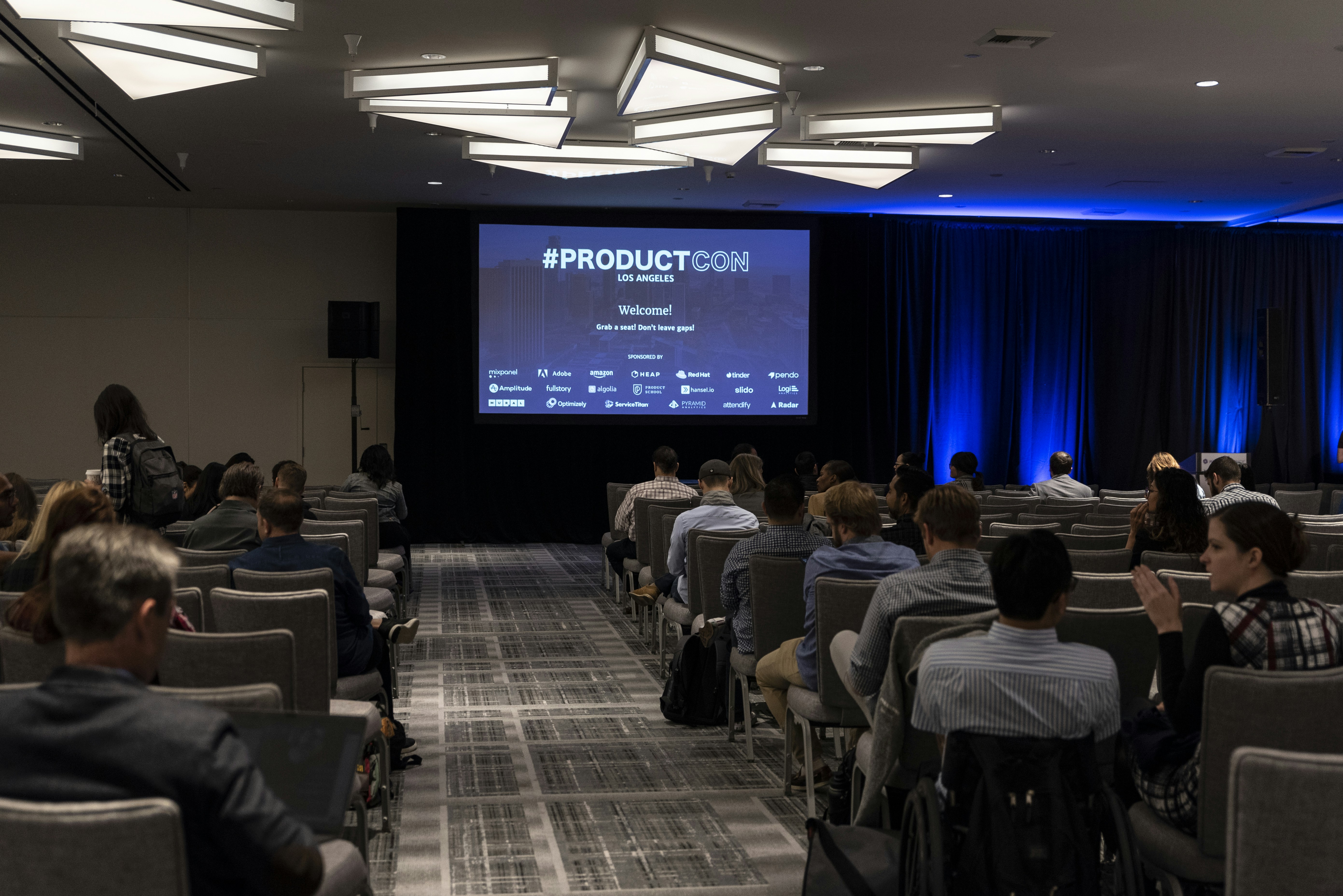
Live streaming hybrid events represent an innovative approach to event organization that combines both in-person attendance and virtual participation. This format has gained significant traction in recent years, driven by advancements in technology, changing consumer preferences, and the impact of global events such as the COVID-19 pandemic. The essence of a hybrid event lies in its ability to unite diverse audiences by offering interactive experiences that appeal to both those physically present and those joining online.
As live streaming technology continues to evolve, hybrid events have become increasingly accessible and appealing to a wider audience. Attendees can engage with the event in real time through various digital platforms, enabling them to participate from the comfort of their homes or workplaces. This flexibility not only expands the reach of the event but also enhances audience engagement, as virtual participants can interact through Q&A sessions, polls, and chat features, thereby creating a more inclusive environment.
The relevance of live streaming hybrid events in today’s fast-evolving event landscape cannot be overstated. As organizations strive to adapt to new norms and aspirations of audiences, hybrid events provide a perfect solution for maximizing participation while accommodating varying comfort levels regarding in-person gatherings. Additionally, they cater to the ever-increasing demand for flexibility that modern attendees expect. This shift towards hybridization allows event organizers to create compelling experiences that resonate with diverse demographics, ultimately fostering connection and collaboration among participants regardless of their location.
Understanding Your Target Audience
In the realm of live streaming hybrid events, a comprehensive grasp of your target audience is paramount for crafting compelling product descriptions. Identifying your audience involves delineating specific demographics, including age, profession, interests, and behaviors, all of which play a key role in shaping their preferences and engagement. A well-defined target audience enables event organizers to tailor descriptions that resonate profoundly with potential participants.
Understanding the needs and pain points of your audience is crucial. For instance, a corporate audience might prioritize networking opportunities and industry insights, while a group of creatives may seek inspiration and collaborative platforms. Addressing these unique aspects within your product descriptions not only helps articulate the event’s value but also cultivates a connection with the audience, enhancing their likelihood of participation.
Another critical aspect involves speaking the language of your audience. Familiarity with jargon, trends, or tools relevant to the viewer’s field can significantly augment your event’s appeal. When descriptions incorporate terminology and examples that reflect the audience’s experiences and aspirations, they create a sense of belonging and relevance.
Moreover, utilizing data analytics and feedback from previous events can further refine your understanding. Insight gained from participant surveys, social media interactions, and past engagement patterns equips you with knowledge on what excites your audience. Therefore, by carefully integrating these insights into your product descriptions, you can address their interests, highlight relevant features, and alleviate concerns, ultimately leading to more effective marketing strategies.
In conclusion, a comprehensive understanding of your target audience is essential for crafting compelling product descriptions for live streaming hybrid events. By addressing their preferences, interests, and pain points, event organizers can enhance engagement and drive participation, ensuring a successful event outcome.
Key Features of Live Streaming Hybrid Events
Live streaming hybrid events present a unique blend of in-person and digital experiences, making them increasingly appealing to a diverse audience. One of the significant features of these events is interactivity. Unlike traditional events, hybrid formats allow attendees to engage in real-time discussions, participate in polls, and ask questions, regardless of their location. This level of engagement not only fosters a sense of community but also enhances the overall participant experience, promoting higher retention rates and satisfaction.
Furthermore, accessibility plays a crucial role in the allure of hybrid events. By combining offline gatherings with live streaming capabilities, organizers can reach a broader audience. Individuals unable to attend physically due to geographical, financial, or health constraints can still participate fully. This inclusivity opens new avenues for diverse audiences to engage with content, broaden their networks, and access information that they might otherwise have missed. The flexibility this format provides is a significant consideration in today’s fast-paced world.
The seamless blend of online and offline experiences is another defining feature of live streaming hybrid events. They allow for a dynamic connection between on-site attendees and those joining remotely, creating a cohesive atmosphere. Presentations can be tailored for both audiences, with features such as live Q&A sessions where remote participants can contribute, ensuring that their voices are equally valued. This integration of physical and virtual elements not only enhances networking opportunities but also maximizes learning experiences, as participants can benefit from various perspectives and shared insights.
Benefits of Live Streaming Hybrid Events
Live streaming hybrid events combine the in-person experience of traditional events with the convenience and accessibility of online participation. One of the primary benefits of these events is their inherent convenience. Attendees can join from anywhere in the world, removing barriers associated with travel, accommodation, and time away from daily responsibilities. This flexibility allows participants to engage with content that is relevant to them without the logistical headaches that may deter attendance at purely in-person events.
Another significant advantage of hybrid events is the potential for a broader audience reach. Traditional events are often limited by venue capacity and geographical constraints. However, live streaming enables organizers to connect with a global audience, thus increasing engagement with diverse demographics. This expanded outreach not only ensures that the event can accommodate more participants but also enhances the opportunity for varied perspectives and interactions within the event. This diversity can enrich discussions, fostering innovation and collaboration among attendees.
Networking opportunities further bolster the appeal of hybrid events. Participants attending in-person can facilitate face-to-face interactions, while virtual attendees can engage through various digital platforms. Enhanced networking tools provided during live streaming allow for seamless communication between in-person and remote guests. This structure enables participants to connect, collaborate, and exchange ideas without geographical limitations. As a result, both types of attendees can benefit from an enhanced networking experience that promotes professional growth and community building.
Crafting a Captivating Product Description
Writing a captivating product description for live streaming hybrid events requires a structured approach that engages potential customers effectively. Here’s a step-by-step guide to creating such descriptions.
First, begin with a compelling headline. This is the first thing potential customers will read, so it should grab their attention and convey the essence of the event. Utilizing action words can enhance the urgency, making phrases like “Don’t miss out!” particularly effective.
Next, focus on the unique selling points (USPs) of your hybrid event. What sets it apart from similar offerings? Identify key features—such as expert speakers, interactive elements, or networking opportunities—and highlight them concisely. These details not only inform potential attendees but also establish a sense of value.
Incorporate engaging language that speaks directly to the audience. Use a conversational tone that connects emotionally. Words like “experience,” “discover,” and “transform” evoke a sense of participation and excitement around the event. Additionally, consider addressing the reader directly with phrases such as “Imagine being part of…” to create a mental picture of the experience.
Creating urgency is crucial in prompting action. You can achieve this through limited-time offers, exclusive access, or incentives for early registration. Phrasing such as “Register now for an early bird discount!” instills a sense of necessity and can drive immediate action.
Don’t forget to include a clear call-to-action (CTA) at the end of your description. Phrases like “Join us for this transformative experience!” not only encourage sign-ups but also reiterate the emotional appeal of participating in the hybrid event. Your CTA should prompt swift action, emphasizing that the event will offer valuable insights or unique experiences.
By following these steps, you can craft a product description that not only informs but also inspires potential customers to engage with your live streaming hybrid event.
Incorporating SEO Best Practices
Search Engine Optimization (SEO) is an essential component of digital marketing, particularly when crafting product descriptions for live streaming hybrid events. The goal of SEO is to improve a website’s visibility on search engines, thereby increasing organic traffic. By understanding and incorporating SEO techniques into product descriptions, businesses can reach a wider audience and enhance their online presence.
Keyword placement is vital when embedding SEO into product descriptions. This involves identifying relevant keywords and phrases that potential customers might use when searching for related products or services. For hybrid events, terms such as “live streaming solutions,” “hybrid event services,” or “virtual engagement tools” may be significant. Once these keywords are identified, they should be naturally integrated into the product description, ensuring that they flow well without compromising readability.
Besides keyword placement, optimizing for search engines includes using descriptive headers and subheaders, which can help structure the content better for both readers and search engine algorithms. Additionally, utilizing bullet points for key features can enhance clarity and visual appeal, making it easier for potential customers to scan through important information.
Meta descriptions are another critical aspect of SEO that should not be overlooked. This brief summary appears in search engine results and can significantly impact a user’s decision to click on a link. A compelling meta description should contain the main keyword and provide an enticing glimpse of what the product or service offers, encouraging users to explore further.
In summary, effectively incorporating SEO best practices into product descriptions for live streaming hybrid events not only improves searchability but also attracts and engages potential customers, ultimately driving conversions and enhancing overall marketing success.
Enhancing Product Descriptions with Visual Elements
In the digital marketplace, the effectiveness of product descriptions can be significantly amplified through the strategic use of visual elements. Images, videos, and graphics not only complement textual information but also facilitate a deeper engagement with potential customers. As consumers increasingly gravitate toward visually rich content, incorporating well-chosen visuals into product descriptions becomes essential for cutting through the noise in a competitive landscape.
High-quality images exemplify the key features of a product, offering viewers a tangible sense of the item being presented. In the context of live streaming hybrid events, visuals can showcase the event experience, such as the venue setup, technologies used, or audience interactions. Images of previous events can demonstrate the atmosphere and professionalism of the service, acting as a powerful testament to the product’s quality.
Videos, in particular, serve as an invaluable tool in product description optimization. They can convey information swiftly and engagingly, illustrating how a live streaming service operates or the unique aspects of hybrid event delivery. Demonstrative videos can cover critical features, client testimonials, or even snippets of past events, enabling customers to visualize the overall experience and anticipate the value they will receive.
Additionally, the integration of graphics can enhance the comprehension of complex services. Infographics or diagrams can succinctly present key data, statistics, or processes involved in live streaming hybrid events, simplifying intricate details that might overwhelm potential customers. Such visual representations can significantly aid decision-making, making the service feel accessible and clear.
Ultimately, the inclusion of visual elements in product descriptions fosters a richer, more informative context for potential clients, inviting them to engage at a deeper level. The synergy between text and visuals not only heightens appeal but also strengthens the persuasive power of the content.
Encouraging Customer Feedback and Reviews
In the realm of live streaming hybrid events, customer feedback plays a crucial role in shaping product descriptions. Engaging customers to share their experiences not only enhances credibility but also provides valuable insights that can be incorporated into future descriptions. By actively seeking customer feedback, businesses can ensure that their descriptions resonate with potential buyers, reflecting real usage scenarios and addressing specific pain points.
One of the most effective strategies for collecting feedback is through follow-up communications. After a live event, sending a brief survey or feedback form to participants can yield insightful responses. Questions should be designed to elicit information about various aspects of the event, from technical performance to user satisfaction. Additionally, offering an incentive such as discounts on future services can motivate participants to share their thoughts openly.
Social media platforms are another avenue for gathering customer reviews. Encouraging attendees to share their experiences on these platforms can not only enhance visibility but also create a community around the product. By monitoring mentions and comments, businesses can capture authentic testimonials, which can be highlighted in product descriptions to further enhance persuasive messaging.
Moreover, online review platforms can serve as valuable sources of feedback. Actively engaging with reviews—both positive and negative—shows the company’s commitment to customer service and continuous improvement. Incorporating quotes or summarized feedback into product descriptions creates relatability, allowing prospective customers to envision their own experiences.
Ultimately, leveraging customer feedback to refine product descriptions for live streaming hybrid events not only bolsters reputation but also aligns the product offering more closely with customer needs. By promoting open dialogue and showcasing customer voices, businesses can transform their descriptions into authoritative and compelling narratives that drive engagement and sales.
Conclusion and Call to Action
In crafting impactful product descriptions for live streaming hybrid events, several key elements must be considered. First, understanding the target audience enhances the relevance of the message, ensuring that it resonates with potential participants. Secondly, integrating sensory language captures the essence of the event, transporting the reader to the experience before they attend. Furthermore, emphasizing unique selling propositions (USPs) sets the event apart from other offerings, highlighting features that appeal to potential attendees.
Additionally, incorporating customer testimonials and case studies not only builds credibility but also illustrates the value attendees can expect from the event. Utilizing a clear call to action is imperative; it guides readers on the next steps, whether it be signing up, learning more, or sharing the event with others. Importantly, maintaining a balanced tone throughout the product description contributes to effective communication, fostering engagement while conveying professionalism.
We encourage readers to implement these strategies in their own endeavors when developing product descriptions for live streaming hybrid events. By focusing on the audience’s needs, leveraging compelling language, and showcasing what makes the event unique, you can significantly boost interest and attendance. Don’t hesitate to experiment with different styles and formats to find what resonates most with your target demographic.
As you embark on creating your own product descriptions, consider the value of persistent improvement. Monitor the performance of your descriptions and be ready to adapt based on feedback and results. Remember, a well-crafted product description not only informs but also inspires action. Start applying these insights today, and transform the way you present your live streaming hybrid events to the world.